SodaSlim Weight Loss Supplement
SodaSlim Consumers need to understand what the product contains, what its ingredients are intended to do, what the evidence can and cannot establish, and how supplementation fits into a healthy lifestyle.
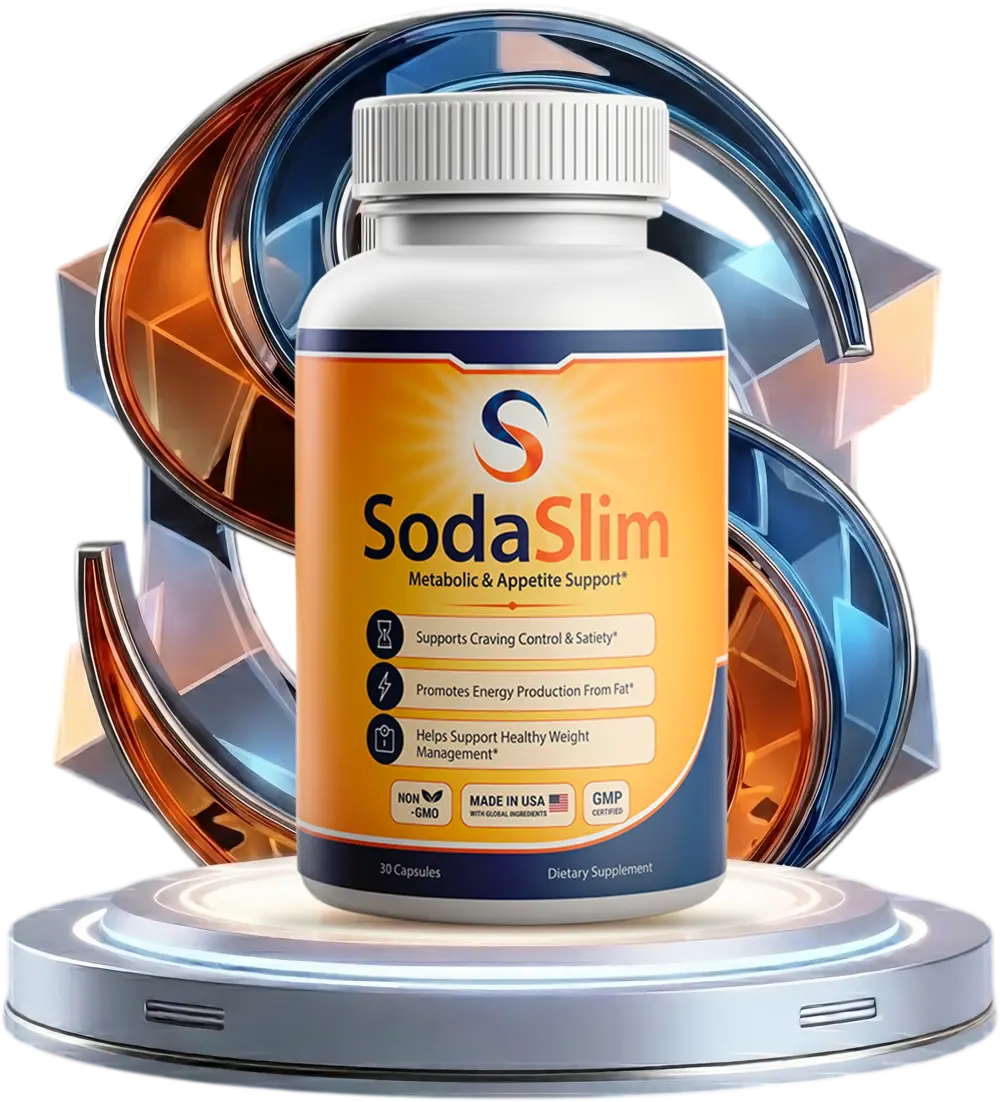
SodaSlim Weight Loss: Explore Practical Wellness Ideas That Can Help You Build Confidence & Make Positive Changes Every Day!
💥MUST SEE: (EXCLUSIVE OFFER) CLICK HERE TO VIEW PRICES AND AVAILABILITY💯
The weight-loss supplement industry continues to attract people who want a convenient way to support their health and body-weight goals. Among the products marketed in this category is SodaSlim, a dietary supplement promoted for energy, metabolism, appetite support, thermogenesis, and weight management.
While the idea of a simple daily supplement can be appealing, responsible evaluation requires more than looking at promotional promises.
⭐Where To Buy- Official Website
🎯OverView Performance:★★★☆☆ (3/5)
⭐Product – SodaSlim Weight Loss
🎯Best-Selling Deal is LIVE
🎇Availability — Available online
Consumers should understand what is actually in the formula, what those ingredients are known for, what their limitations are, and how supplementation fits into a broader weight-management plan.
This guide offers another detailed look at SodaSlim and the practical considerations that should accompany its use.
What Is SodaSlim?
SodaSlim is marketed as a dietary supplement for adults who want support with healthy weight management.
The product is positioned as a supplement rather than a replacement for nutrition, exercise, or professional healthcare. Its advertised formula combines several ingredients that are frequently used in the weight-management supplement market.
These include:
Caffeine anhydrous
Green coffee bean extract
Raspberry ketone
Garcinia extract
Green tea extract
The ingredients are intended to address different aspects of weight management.
Caffeine is primarily associated with energy and alertness. Green coffee bean and green tea extracts are commonly discussed in relation to metabolism and thermogenesis. Garcinia and raspberry ketone have traditionally been included in products marketed for appetite and fat-metabolism support.
However, the presence of these ingredients does not guarantee a specific weight-loss result.
Why People Look for Weight-Loss Supplements
Weight loss can be challenging for reasons that have little to do with a lack of knowledge.
A person may understand that healthy eating and exercise matter but still struggle with:
Strong food cravings
Hunger
Low energy
Irregular schedules
Stress
Poor sleep
Limited time
Emotional eating
Difficulty staying consistent
This is why weight-loss supplements remain popular.
People often hope that a supplement will make the process easier by providing additional energy, appetite support, or motivation to remain active.
That may be a reasonable expectation for some products, but it should not become an expectation of effortless fat loss.
💥MUST SEE: (EXCLUSIVE OFFER) CLICK HERE TO VIEW PRICES AND AVAILABILITY💯
Understanding SodaSlim Before Using It
Before taking any supplement, consumers should consider three major questions:
What is in it?
The ingredient list should be clear and understandable.
What evidence exists?
Research on individual ingredients should be separated from evidence about the complete product.
Is it appropriate for me?
Personal health history, medications, caffeine sensitivity, age, pregnancy status, and other factors can affect whether a supplement is suitable.
These questions are more valuable than simply asking whether a product is popular.
SodaSlim Ingredients in Detail
Caffeine Anhydrous
Caffeine anhydrous is concentrated caffeine.
It is frequently used in supplements because it can produce a noticeable increase in alertness.
Caffeine may also modestly increase energy expenditure and can sometimes support exercise performance.
For someone who struggles with morning fatigue, this may be one of the most noticeable aspects of a caffeine-containing supplement.
Potential advantages
Increased alertness
Temporary energy support
Improved concentration
Reduced perception of fatigue
Possible exercise-performance benefits
Potential disadvantages
The same stimulant effects can become undesirable at higher doses or in sensitive individuals.
Possible effects include:
Jitters
Nervousness
Restlessness
Headaches
Sleep difficulties
Increased heart rate
Digestive discomfort
The key consideration is total caffeine intake.
If someone drinks coffee several times a day, consumes energy drinks, and takes a caffeine-containing supplement, the combined intake may become substantial.
Green Coffee Bean Extract
Green coffee bean extract comes from coffee beans that have not been roasted.
It contains chlorogenic acids, which have been researched for possible effects on metabolism and glucose regulation.
The ingredient became popular in weight-management products because of interest in its potential effects on body weight.
However, it is important to avoid describing green coffee bean extract as a guaranteed fat burner.
The evidence does not justify expecting dramatic results from the ingredient alone.
💥MUST SEE: (EXCLUSIVE OFFER) CLICK HERE TO VIEW PRICES AND AVAILABILITY💯
Raspberry Ketone
Raspberry ketone is a compound associated with raspberries.
It became popular in weight-loss products because laboratory studies suggested possible effects on fat metabolism.
However, human evidence is more limited.
This is a recurring issue in supplement marketing: laboratory findings may be interesting but may not translate into large practical benefits for people.
Raspberry ketone should therefore be considered one ingredient in the formula rather than the reason to expect dramatic weight loss.
Garcinia Extract
Garcinia cambogia has been marketed for weight management for many years.
Its best-known compound, hydroxycitric acid, has been investigated for possible effects on appetite and fat-related pathways.
Human studies have not produced consistently strong evidence of major weight loss.
Therefore, Garcinia should not be treated as a guaranteed solution.
Green Tea Extract
Green tea extract contains catechins and may also contain caffeine.
Green tea has received considerable scientific attention because its compounds may influence metabolic processes.
Potential areas of research include:
Thermogenesis
Fat oxidation
Energy expenditure
Metabolic health
Again, the potential effects should be kept in perspective.
A modest metabolic effect is not equivalent to substantial long-term fat loss.
How SodaSlim Is Intended to Support Weight Management
The formula is designed around several possible mechanisms.
Energy
Caffeine may help increase alertness and reduce fatigue.
Thermogenesis
Certain compounds may modestly influence heat production and energy expenditure.
Metabolism
Green tea and green coffee compounds are included partly because of metabolic research.
Appetite
Garcinia and raspberry ketone are associated with appetite and weight-management marketing.
These effects may potentially complement a healthy routine.
But they do not replace the basic requirements for long-term fat loss.
What Actually Causes Fat Loss?
The body stores energy primarily in forms such as fat.
When energy intake consistently falls below energy expenditure, the body can draw upon stored energy.
This is often simplified as “calories in versus calories out,” but real-world weight management is more complicated.
Appetite, hormones, metabolism, physical activity, sleep, medications, and genetics all influence the process.
This is why a weight-loss supplement may contribute only a small part of the overall outcome.
💥MUST SEE: (EXCLUSIVE OFFER) CLICK HERE TO VIEW PRICES AND AVAILABILITY💯
Can SodaSlim Replace Diet and Exercise?
No.
A supplement should not be treated as a replacement for a healthy lifestyle.
If someone takes SodaSlim but consistently consumes more energy than they use, significant weight loss is unlikely.
On the other hand, if a person uses it while following an appropriate eating and activity plan, it may serve as an optional addition.
This distinction is critical.
SodaSlim and Appetite Management
Hunger is often one of the most difficult parts of losing weight.
A person may start a diet with enthusiasm but struggle when hunger increases.
The best approach is usually to create meals that provide fullness naturally.
Protein
Protein-rich foods can contribute to satiety.
Examples include:
Eggs
Fish
Chicken
Turkey
Yogurt
Cottage cheese
Tofu
Tempeh
Lentils
Beans
Fiber
Fiber can increase meal volume and contribute to fullness.
Useful sources include:
Vegetables
Fruit
Oats
Whole grains
Beans
Lentils
Nuts
Seeds
Food volume
Large portions of lower-calorie vegetables can help create satisfying meals.
These strategies may be more important for appetite control than any supplement.
SodaSlim and Exercise
Exercise is a key part of a healthy lifestyle.
A balanced routine can include both aerobic activity and resistance training.
Aerobic exercise
Examples include:
Walking
Jogging
Cycling
Swimming
Dancing
Hiking
Resistance training
Examples include:
Squats
Lunges
Push-ups
Rows
Presses
Deadlift variations
Resistance-band exercises
The ideal routine depends on the individual's fitness level and health status.
💥MUST SEE: (EXCLUSIVE OFFER) CLICK HERE TO VIEW PRICES AND AVAILABILITY💯
Why Daily Steps Matter
People often think exercise only counts if it happens inside a gym.
That is not true.
Daily movement can contribute significantly to overall activity.
Try incorporating:
Short walks
Walking meetings
Stairs
Household activities
Gardening
Shopping on foot when practical
Walking after meals
Increasing everyday movement can be an approachable way to become more active.
SodaSlim and Muscle Preservation
Weight loss should not be viewed exclusively as a reduction in scale weight.
Maintaining muscle is also important.
Resistance training, adequate protein, and an appropriately designed calorie deficit can support healthier body composition.
This can be particularly relevant for people who are losing weight over an extended period.
SodaSlim and Hydration
Water is important for normal bodily function.
While water itself does not directly cause fat loss, replacing high-calorie drinks with water can reduce calorie intake for some people.
Hydration can also support exercise and normal physiological processes.
If SodaSlim is taken with water, users should continue drinking fluids normally throughout the day.
SodaSlim and Sleep
Caffeine makes sleep an especially important consideration.
Taking a stimulant-containing supplement late in the day can make it more difficult to fall asleep.
Poor sleep can influence:
Appetite
Food cravings
Mood
Energy
Exercise motivation
Eating behavior
A product that provides daytime energy but consistently damages sleep may ultimately be counterproductive.
For this reason, earlier-day use is generally more sensible for caffeine-containing products.
How to Use SodaSlim
Always follow the directions supplied with the specific product.
If the product is labeled for once-daily use, do not increase the serving.
Do not assume that taking more capsules will result in faster fat loss.
The appropriate approach is to use the product only as directed and monitor your individual response.
Caffeine Awareness
One of the most important considerations when using SodaSlim is total caffeine intake.
Caffeine can come from:
Coffee
Tea
Energy drinks
Chocolate
Pre-workout supplements
Caffeine tablets
Other fat burners
Some medications or supplements
Adding these sources together can make total intake higher than expected.
People who are sensitive to caffeine should be particularly cautious.
💥MUST SEE: (EXCLUSIVE OFFER) CLICK HERE TO VIEW PRICES AND AVAILABILITY💯
SodaSlim Side Effects and Safety
Possible side effects can vary from one person to another.
Caffeine-related effects may include:
Jitters
Restlessness
Nervousness
Headache
Sleep problems
Increased heart rate
Stomach upset
If concerning symptoms occur, discontinue use and seek appropriate medical guidance.
“Natural” ingredients should not automatically be assumed to be risk-free.
Who Should Avoid or Discuss SodaSlim With a Professional?
People should consider professional guidance before using weight-loss supplements if they:
Are pregnant
Are breastfeeding
Are under 18
Have a heart condition
Have high blood pressure
Are sensitive to caffeine
Take prescription medication
Have a chronic health condition
Use several other supplements
A doctor or pharmacist can help determine whether the ingredient combination is appropriate.
SodaSlim and Medication Interactions
Supplements can interact with medications.
This is one reason it is important to show a healthcare professional the complete ingredient list rather than simply mentioning the product name.
The same applies to other supplements.
Potential overlap can occur when multiple products contain caffeine or similar botanical ingredients.
Can SodaSlim Cause Dehydration?
Caffeine has mild diuretic effects in some circumstances, but normal caffeine consumption does not automatically cause dangerous dehydration in healthy people.
Nevertheless, people should maintain normal fluid intake and pay attention to symptoms such as unusual thirst, dizziness, or weakness.
During prolonged exercise or hot weather, hydration becomes even more important.
SodaSlim and Intermittent Fasting
Some people may choose to use a weight-management supplement while practicing intermittent fasting.
However, intermittent fasting is not required for weight loss.
If someone finds fasting convenient and feels well while doing it, it can be one dietary structure among many.
People who experience weakness, dizziness, or other concerning symptoms should stop and seek appropriate advice.
Those with medical conditions should discuss fasting with a healthcare professional.
SodaSlim and a Balanced Diet
A balanced diet does not have to eliminate entire food groups.
A healthy eating pattern can include:
Protein
Vegetables
Fruits
Whole grains
Dairy or suitable alternatives
Healthy fats
Appropriate portions of favorite foods
The most important factor is total dietary quality and quantity over time.
💥MUST SEE: (EXCLUSIVE OFFER) CLICK HERE TO VIEW PRICES AND AVAILABILITY💯
Final SodaSlim Weight Loss Review
SodaSlim is a multi-ingredient dietary supplement marketed toward adults interested in weight management. Its advertised formula combines caffeine anhydrous, green coffee bean extract, raspberry ketone, Garcinia extract, and green tea extract.
The ingredients have different proposed roles, including energy support, metabolism, thermogenesis, appetite management, and fat-metabolism support.
However, realistic expectations are essential.
Ingredient research does not automatically prove that the finished supplement will deliver dramatic weight loss. Individual responses can differ, and sustainable body-fat reduction still depends heavily on nutrition, physical activity, sleep, and long-term consistency.
The most useful approach is to:
Follow the product label.
Monitor total caffeine intake.
Avoid unnecessary stimulant combinations.
Eat balanced, satisfying meals.
Stay physically active.
Include resistance training when appropriate.
Prioritize sleep.
Track progress over time.
Maintain realistic expectations.
Consult a healthcare professional when medical conditions or medications are involved.
If an appropriate adult chooses to use SodaSlim, it should be treated as an optional supporting tool, not a substitute for healthy habits or professional medical treatment.